The Silent Guardian of the Home
Energy Storage Systems (ESS)
When the grid goes dark, the immediate aftermath is characterized by profound silence—a silence quickly broken by the anxiety of spoiling food, plummeting indoor temperatures, and severed communications. For the prepared household, however, an outage is an imperceptible event, mitigated instantly by the silent hum of a residential battery wall.
Chemistry and Capacity
The current standard for domestic energy storage is the Lithium Iron Phosphate (LFP) battery. Unlike earlier lithium-ion variants, LFP offers superior thermal stability—meaning a significantly reduced risk of overheating—and a vastly extended cycle life. Homeowners can expect these units to cycle daily for over a decade with minimal degradation.
"We treat our battery wall not as emergency equipment, but as an integral part of the home's architecture. It manages our daily load and stands ready for the unexpected."
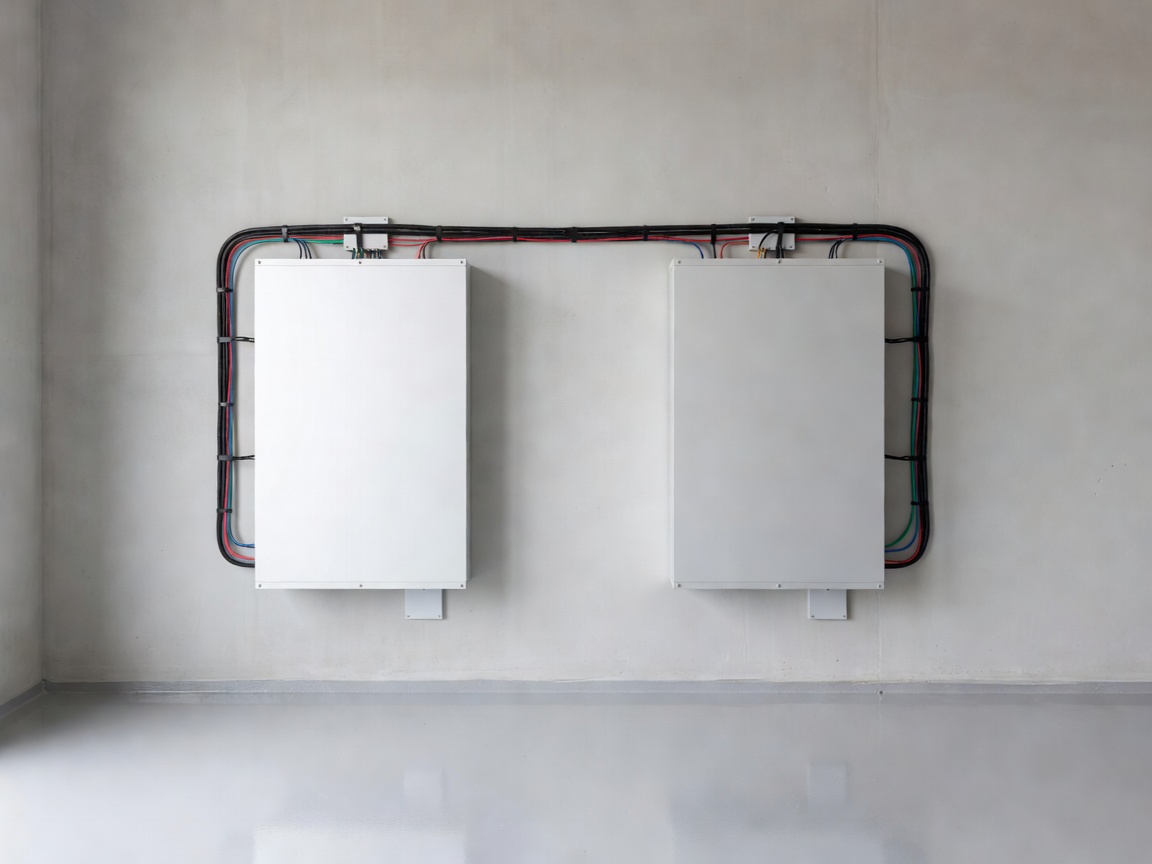
A typical premium unit stores between 10 to 13.5 kilowatt-hours (kWh) of energy. A single unit is generally sufficient to back up "critical loads"—refrigerators, internet routers, a few LED lighting circuits, and perhaps a microwave. However, supporting a modern home with central HVAC and an electric vehicle often demands a stacked approach, utilizing two to four synchronized units.
The Economics of Peace of Mind
While the primary allure of a battery system is emotional security, the financial mechanics are compelling. Through 'time-of-use' load shifting, intelligent batteries draw power from the grid during inexpensive off-peak hours and discharge it to the home during expensive evening peaks. Over years, this daily arbitrage offsets a notable portion of the capital investment.
Key Manufacturers
- Tesla Powerwall: The cultural pioneer, offering 13.5 kWh with robust app integration and a minimalist aesthetic.
- Enphase IQ Battery: Highly modular, utilizing microinverters for unparalleled reliability and granular capacity scaling.
- FranklinWH: A newer entrant providing exceptional surge capabilities for starting heavy motors like air conditioning compressors.