Rewiring the Main Panel
The Brains of Home Resilience
The finest generator and the densest battery array cannot protect a home if they are fundamentally disconnected from its central nervous system. The electrical panel, historically a static gray box of dumb metal breakers, is the critical chokepoint of home resilience. Modern integration requires elevating this hardware to actively manage where and how power flows during a crisis.
The Critical Loads Panel
In traditional setups lacking a massive, whole-home power reserve, electricians install a secondary sub-panel known as a "critical loads panel." During installation, essential circuits—such as the kitchen refrigerator, primary heating blower, well pump, and key lighting—are physically moved from the main panel to this sub-panel.
When the grid drops, only this sub-panel receives backup power. This mechanical approach guarantees that limited backup energy isn't squandered on forgotten space heaters or the electric dryer. It is reliable, physical, and completely inflexible.
"We thought we just needed a battery. We didn't realize the real upgrade was replacing our 1980s electrical panel with something that could actually make decisions."
The Era of the Smart Panel
The rigid nature of critical loads panels is rapidly being rendered obsolete by smart panels, such as those engineered by SPAN and Leviton. These panels replace traditional mechanical breakers with software-controlled relays, allowing homeowners to dynamically alter their "critical loads" through a smartphone app.
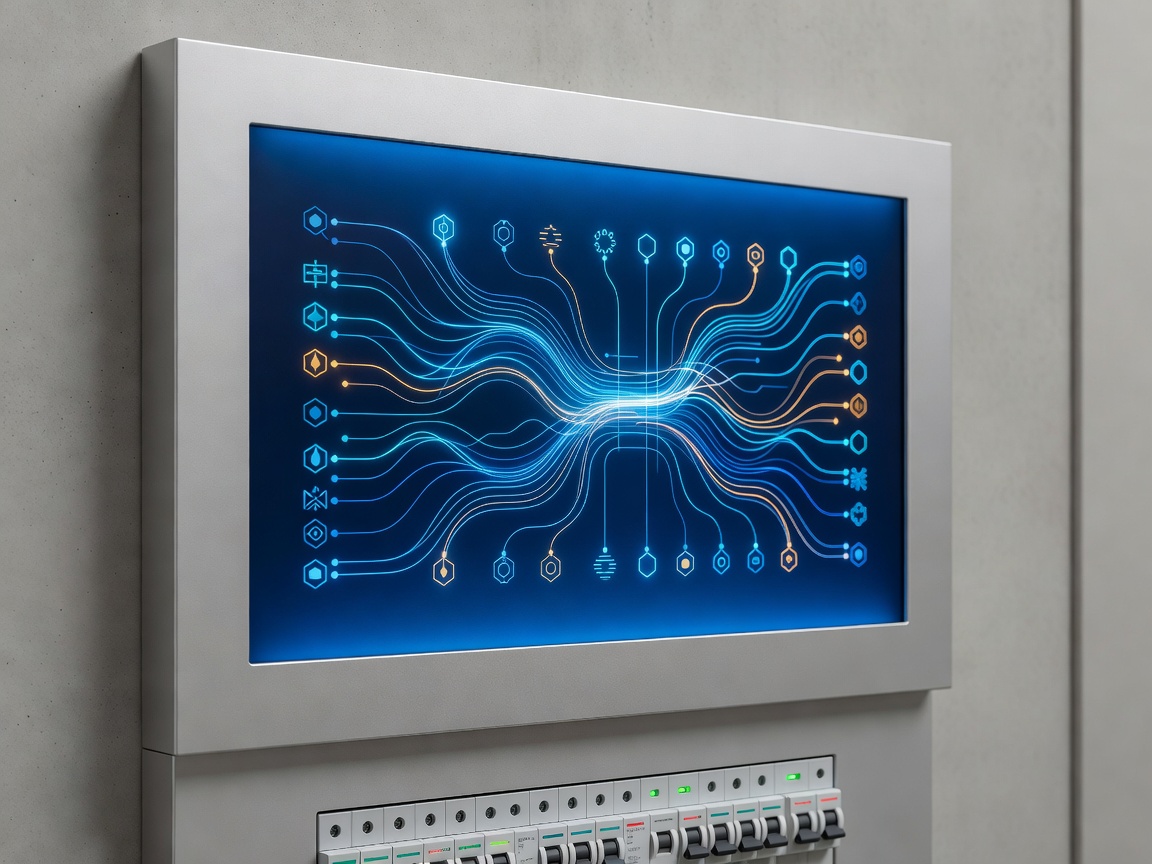
If an outage occurs during summer, the smart panel can be instructed to power the air conditioning while ignoring the water heater. In winter, those priorities can be instantly reversed. Furthermore, smart panels feature automatic load shedding. If the battery capacity dips below 20%, the panel can automatically sever power to high-draw appliances, radically extending the remaining runtime for essential life-support systems.
Automatic Transfer Switches (ATS)
Whether utilizing a smart panel or a traditional setup, the ATS is mandatory. This heavy-duty switch physically isolates your home from the utility grid during an outage. This is a legal and ethical requirement, ensuring that your home's backup power does not flow backwards into the grid, which would present a lethal shock hazard to utility linemen working to repair the outage.