Heavy-Duty Combustion
Whole-Home Standby Systems
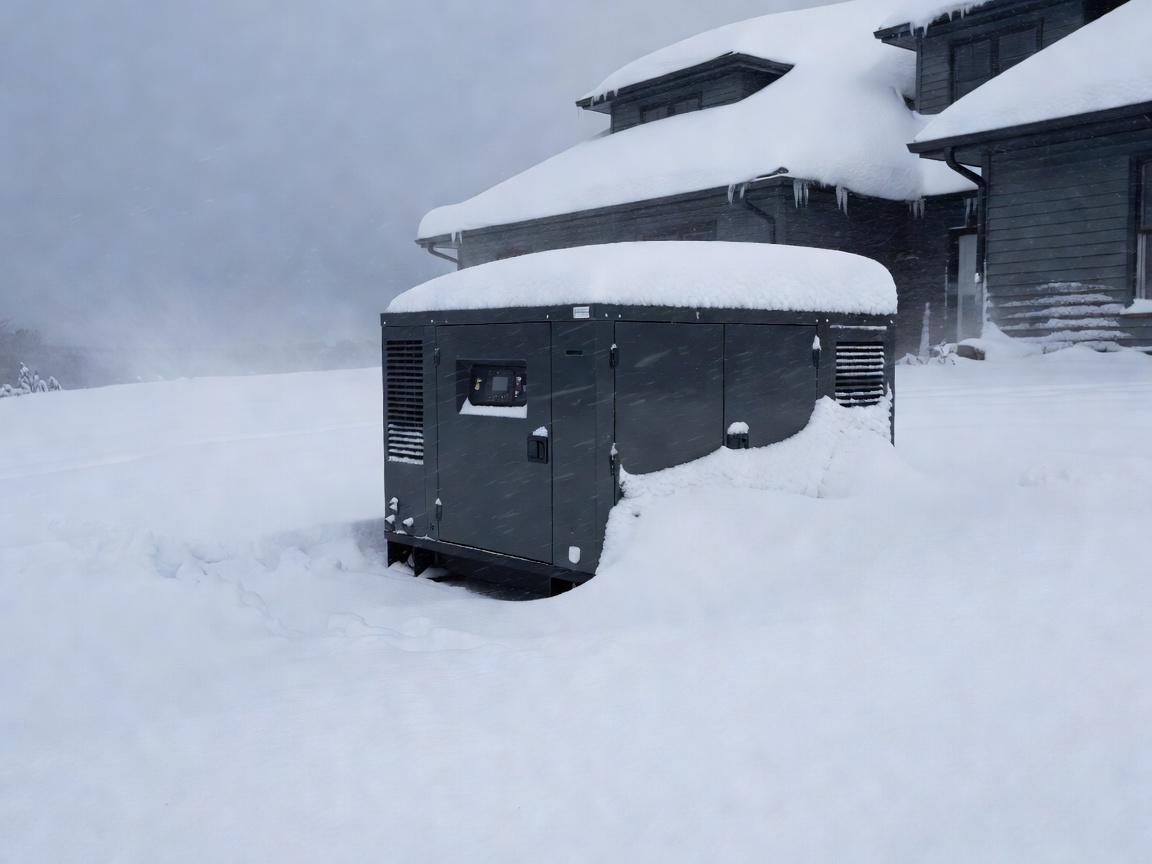
For all the elegance of battery walls, there are limits to electrochemical storage. When winter storms freeze regional grids for days, or hurricanes decimate local infrastructure for weeks, sheer brute force is required. Standby generators provide exactly that: relentless, heavy-duty combustion capable of powering entire estates indefinitely.
The Mechanics of Standby Power
Unlike portable generators that require manual deployment, fuel stabilization, and extension cords running through a cracked window, a whole-home standby unit is permanently installed and directly wired into the home's electrical panel. When the automatic transfer switch (ATS) detects a grid failure, it commands the generator engine to start. Once the generator achieves proper voltage and frequency—typically within 10 to 15 seconds—the ATS transfers the home's load to the generator.
"During the five-day freeze, our generator never missed a beat. It kept the pipes from freezing and our family warm. It transformed a potential disaster into an extended staycation."
Fuel Sources: Natural Gas vs. Propane
The efficacy of a standby generator hinges heavily on its fuel supply. The two dominant choices for permanent residential installations each carry distinct advantages.
| Feature | Natural Gas (NG) | Liquid Propane (LP) |
|---|---|---|
| Supply | Municipal underground lines. | On-site storage tanks (typically 250-1000 gallons). |
| Runtime | Virtually infinite, unless municipal pressure drops. | Finite; limited by tank capacity and refill access. |
| Energy Density | Lower; requires a slightly larger engine for identical output. | Higher; yields more watts per unit of fuel burned. |
| Reliability in Crisis | Vulnerable to regional gas grid failures (rare but impactful). | Highly reliable, provided the tank is topped off pre-storm. |
Maintenance and Noise
Combustion engines require stewardship. Annual maintenance involves oil changes, spark plug replacements, and valve clearance checks. Most modern systems perform a weekly "exercise" run—a low-RPM, 5-to-12-minute cycle to keep the engine lubricated and verify system health.
As for noise, premium manufacturers like Generac, Kohler, and Cummins have made significant strides in acoustic dampening. While you will certainly hear a standby generator running under full load, modern enclosures keep the decibel levels comparable to a typical central air conditioning unit.